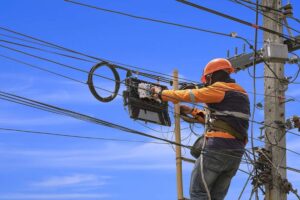


Electricity powers modern industries — but it also poses serious risks. For workers exposed to live circuits, electrical panels, or high-voltage environments, protection from accidental shocks is critical.
That’s where EH safety shoes (Electrical Hazard shoes) play an essential role.
Designed to reduce the risk of electrical shock, EH footwear provides an added layer of insulation between the wearer and the ground — helping protect against accidental contact with energized surfaces.
What Are EH Safety Shoes?
EH stands for Electrical Hazard.
EH safety shoes are specially constructed footwear designed to provide secondary protection against electrical shock. They are built with non-conductive materials in the outsole and heel to reduce the flow of electrical current through the body.
These shoes are tested to withstand exposure to high voltage under dry conditions, offering protection in case of accidental contact with live electrical circuits.
How Do EH Shoes Work?
EH shoes work by insulating the wearer from the ground. The outsole is made from non-conductive rubber or polyurethane compounds that resist electricity.
If a worker accidentally steps on a live wire or touches an energized surface, the shoe helps prevent electrical current from passing through the body to the ground.
It is important to understand that EH shoes are secondary protection — they do not replace proper lockout procedures, insulated tools, or protective gloves. They act as an additional safety barrier.
Who Needs EH Safety Shoes?
EH footwear is essential for professionals working around electricity, including:
- Electricians
- Maintenance technicians
- Utility workers
- Construction workers
- Power plant operators
- Industrial engineers
- Facility maintenance teams
In environments where electrical exposure is possible, EH-rated footwear significantly reduces risk.
Key Features of EH Safety Shoes
High-quality EH safety footwear typically includes:
- Electrical hazard resistance (tested under high voltage)
- Non-conductive outsole and heel
- Slip-resistant sole for industrial floors
- Steel or composite toe protection
- Oil and abrasion resistance
- Shock absorption for long work hours
- Durable upper materials
EH shoes are built to deliver both electrical protection and industrial durability.
EH Shoes vs ESD Shoes: Understanding the Difference
EH and ESD shoes serve completely opposite purposes.
EH shoes are designed to block electrical current from entering the body. They insulate the wearer from the ground.
ESD shoes, on the other hand, are designed to dissipate static electricity safely to the ground to protect sensitive electronics.
If your job involves high voltage exposure, EH footwear is required.
If your workplace involves sensitive electronic components, ESD footwear is necessary.
Choosing the wrong type can compromise safety.
Industry Standards for EH Footwear
EH safety shoes are typically tested and certified under recognized safety standards such as:
- ASTM F2413 (Electrical Hazard rating)
- EN ISO 20345 (European safety standard, where applicable)
These standards ensure the footwear can withstand specific voltage levels under controlled testing conditions.
Always verify certification before purchasing.
Why EH Safety Shoes Are a Smart Investment
Electrical injuries can result in:
- Severe burns
- Cardiac arrest
- Long-term nerve damage
- Fatal accidents
Providing certified EH safety footwear reduces workplace liability and enhances employee protection.
For companies operating in electrical environments, EH shoes are not just compliance gear — they are life-saving equipment.
Final Thoughts
When working around electricity, safety cannot rely on chance.
EH safety shoes provide critical insulation that protects workers from accidental electrical contact. Combined with proper safety procedures and protective equipment, they form an essential layer of defense in hazardous environments.
If your workforce operates near live electrical systems, investing in certified EH footwear is a responsible and necessary step toward workplace safety.