

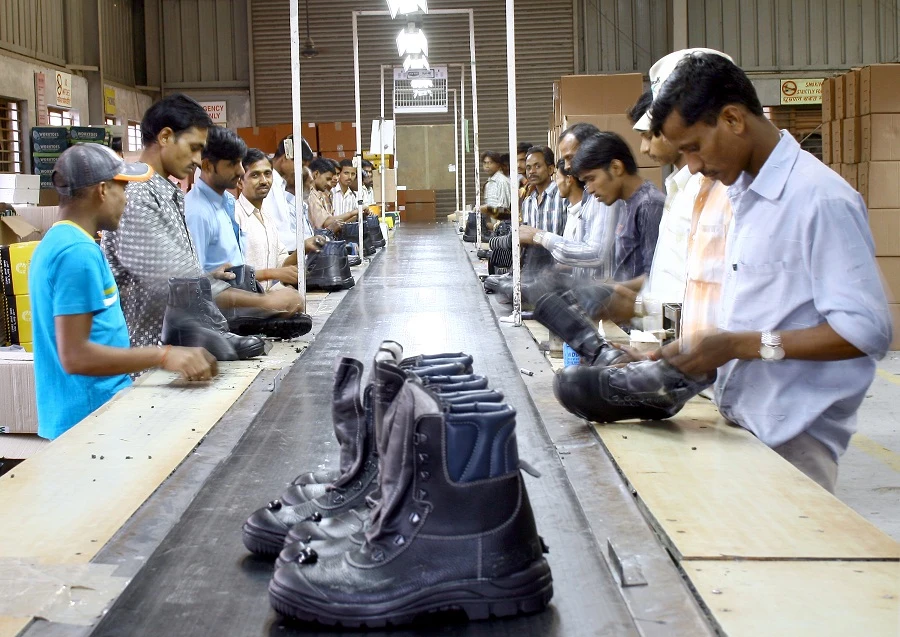
In demanding industrial environments, temperature can be as dangerous as heavy machinery. Whether working in cold storage facilities or high-heat industrial zones, footwear must withstand temperature extremes without compromising safety or comfort.
That’s where Thermal PU (Polyurethane) safety shoes make a difference.
Engineered for temperature resistance and durability, thermal PU shoes provide insulation, flexibility, and long-lasting performance in harsh conditions.
What Are Thermal PU Safety Shoes?
Thermal PU shoes are safety footwear designed with specially formulated polyurethane (PU) soles that perform reliably in extreme temperature environments.
Polyurethane is known for its:
- Excellent flexibility
- Lightweight structure
- Strong abrasion resistance
- Shock absorption properties
When enhanced with thermal-resistant technology, PU soles can maintain performance in both low and moderately high temperatures without cracking, hardening, or losing grip.
Why Thermal Resistance Matters in Industrial Work
In temperature-sensitive environments, ordinary soles can fail. Extreme cold can cause materials to harden and crack, while high heat can weaken sole integrity.
Thermal PU shoes help prevent:
- Sole brittleness in cold storage areas
- Reduced traction on icy or chilled floors
- Heat-related sole deformation
- Worker discomfort due to temperature exposure
Proper thermal footwear ensures safety and operational continuity.
Ideal Work Environments for Thermal PU Shoes
Thermal PU safety shoes are especially suitable for:
- Cold storage warehouses
- Food processing units
- Dairy and meat processing plants
- Outdoor construction sites in winter
- Refrigerated logistics facilities
- Moderate heat industrial zones
In these environments, temperature fluctuations are common, and footwear must adapt accordingly.
Key Features of Thermal PU Safety Shoes
High-quality thermal PU footwear typically includes:
- Temperature-resistant PU outsole
- Slip-resistant tread design
- Shock-absorbing midsole
- Lightweight construction
- Oil and chemical resistance
- Steel or composite toe protection
- Anti-static properties (if required)
These features ensure safety, durability, and comfort during long working hours.
Advantages of PU Soles in Thermal Applications
Polyurethane offers several benefits over traditional rubber soles in temperature-sensitive conditions:
- Better flexibility in cold climates
- Lower weight for reduced fatigue
- Superior cushioning
- High resistance to abrasion
- Long-lasting performance
Thermal PU soles are engineered to remain stable and supportive even when exposed to challenging conditions.
Comfort in Extreme Conditions
Temperature exposure affects not only safety but also worker productivity.
Thermal PU shoes are often paired with:
- Insulated lining for cold protection
- Breathable upper materials
- Moisture-management insoles
- Ergonomic foot support
This combination helps maintain foot warmth in cold areas while preventing excessive sweating during movement.
Why Thermal PU Shoes Are a Smart Investment
Footwear failure in extreme temperatures can lead to:
- Slips and falls
- Reduced worker efficiency
- Increased replacement costs
- Workplace injuries
Investing in thermal PU safety shoes ensures reliability, reduces downtime, and enhances worker protection in temperature-controlled industries.
Final Thoughts
Extreme temperatures demand specialized solutions. Thermal PU safety shoes provide the strength, insulation, and flexibility required for challenging industrial environments.
For industries operating in cold storage, refrigerated logistics, or temperature-variable zones, thermal PU footwear is not just an upgrade — it’s a necessity.